
The Lelant to Hayle Ferry: A Journey Through History
Introduction
The Lelant to Hayle Ferry, was once a vital link across the Hayle Estuary as the main travel route from Central into West Cornwall, England, and so has a rich and fascinating history that reflects the changing tides of transportation, commerce, and community life in the region.
Spanning centuries, the story of the ferry is intertwined with the development of the towns of Lelant and Hayle, the rise and fall of local industries, and the enduring challenges posed by geography. This article delves into the origins, evolution, and eventual decline of the ferry, painting a vivid portrait of a service that was once indispensable to the people of Cornwall.
Early History: Geography and Necessity
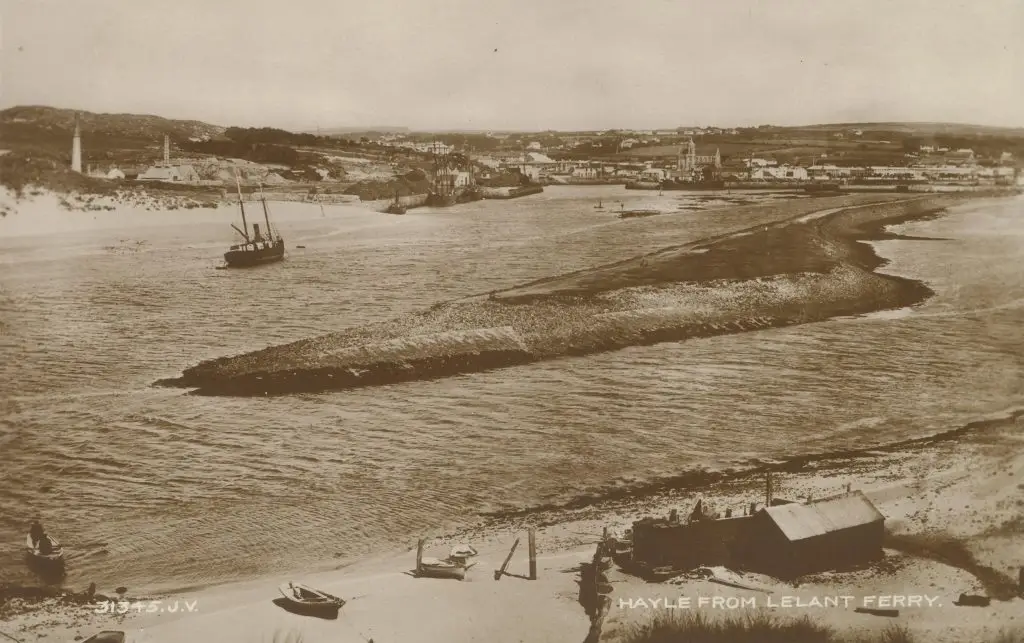
The Hayle Estuary forms part of the natural boundary between the parishes of Lelant and Hayle, opening into St Ives Bay. For centuries, this stretch of water presented both a barrier and an opportunity. The nearest bridges were nearly four miles distant by inland route, turning what could be a short crossing into a lengthy detour that took an hour or more on foot, or even longer with livestock. This isolation, magnified by the tides and shifting sands of the estuary, meant the ferry was not just a convenience but a necessity in connecting communities and sustaining daily life.
As the most southerly natural harbour in the UK it was also an international thoroughfare with archaeological evidence of ancient Neolithic Cysts and Celtic Chapels buried under the sand dunes in Lelant being dug up in the 1840s when the new St Ives Bay Line was built. There is also evidence of Roman links with the “Duchess” Tomb located in Hayle. Viking Routes too with the ancient “Norwayman’s” Dock being the location Scandinavian Logs were thought to have been and traded offloaded in Cornwall. Given the Irish origins of the main Cornish Saints such as St Piran, St Uny (Lelant) brother of St Eia ( Ives), the navigational travel links with Ireland and also Brittany and Spain given the location was the ancient Pilgrimage Route to St Michael’s Mount and onwards to the Continent are not in dispute.
References to ferry crossings at Lelant date back to the medieval period. The Domesday Book of 1086 records Lelant as a significant settlement, and it is likely that some form of ferry service existed even then. One manorial document, for example, notes that “the crossing at Lelant doth bring forth tolls from those who use boat or raft to pass the water,” hinting at the well-established presence of the ferry in local life.
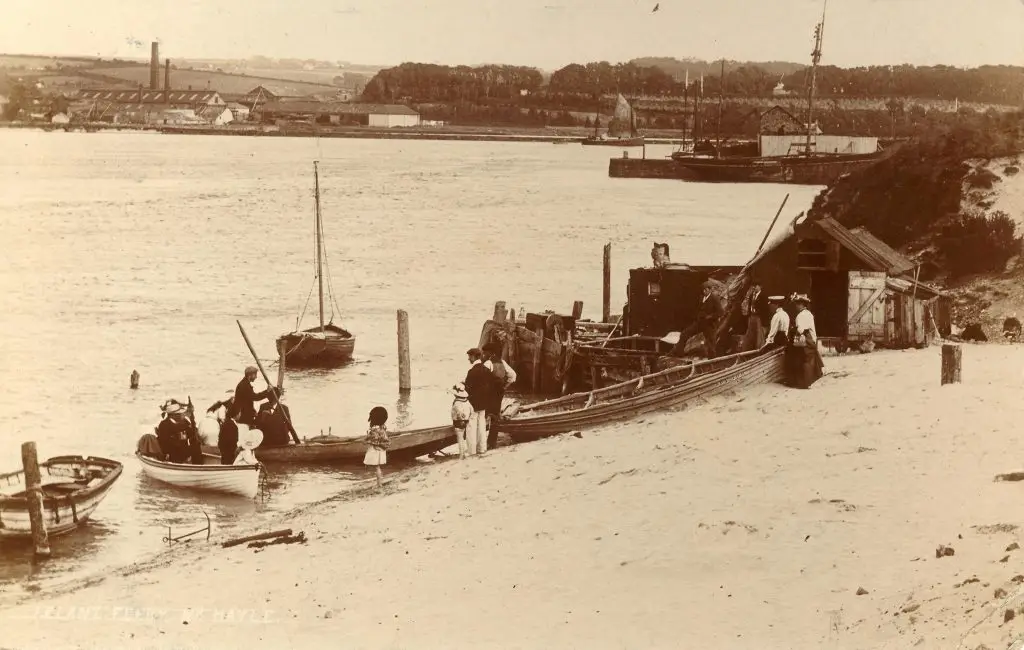
Early ferries would have been simple rowing boats or rafts, operated by locals who understood the tides and currents of the estuary. The need for a ferry was driven not only by the demands of daily life but also by the economic activities of both communities, including farming, fishing, and later, mining.
The Medieval and Early Modern Periods
By the late Middle Ages, the ferry was an established fixture. Church records and local accounts from the 14th and 15th centuries refer to ferry rights and disputes over tolls and ownership. The ferry was often operated by tenants of the manor or by the church, which collected fees in return for maintaining the service. The right to run the ferry was sometimes auctioned annually, with the proceeds supporting local clergy or parish works.
During this period, pilgrimage played a significant role in Cornish life. Lelant Church, dedicated to St Uny, was itself a place of pilgrimage, and the ferry provided pilgrims with a route to the church and onward to St Michael’s Mount. One can imagine the feelings that may have stirred within a medieval pilgrim as they stepped onto the waiting boat in the pale morning light: the hope for forgiveness, the weight of penance, the quiet awe before sacred destinations shimmering across the water.
Folk memory recalls that some pilgrims would whisper quiet prayers as they set out, such as “Saint Uny, guide me safe across, keep the tide in gentle hand.” The low murmur of Cornish words and the signs of the cross became part of the journey, the uncertain waters lending their own rhythm to these humble devotions.
For many, the ferry crossing marked the beginning of a spiritual journey, where the uncertainty of tides reflected the uncertainties of the soul. The ferry’s role in facilitating these religious journeys reinforced its place in local society.
Industrialisation and the Age of Improvement
The 18th and 19th centuries brought profound changes to west Cornwall. The Industrial Revolution transformed Hayle into a major centre of engineering, shipping, and copper smelting. Richard Trevithick and the origins of the steam engine are linked to Hayle. At its peak in the mid-19th century, the town was home to some of Cornwall’s largest foundries, including the Harvey & Co. and Copperhouse Foundry, which, together, employed over 1,500 men.
By 1850, Hayle’s population had surged to nearly 8,000, a dramatic increase from just a few hundred at the century’s start, as workers and their families arrived to staff the foundries, shipyards, and associated industries. Lelant remained more rural but was increasingly connected to the region’s economic boom.
The ferry’s importance grew in tandem with these developments. Workers, traders, and families relied on the service to cross the estuary quickly. The ferry also helped to transport goods and livestock, including cattle and sheep bound for local markets. At times, the ferry was so busy that additional boats were pressed into service.
Several attempts were made to improve infrastructure and reduce reliance on the ferry. Proposals for bridges across the estuary surfaced periodically, (and still do), but the cost and technical challenges were significant. The construction of the Hayle causeway in the 1820s provided a new crossing point, but it was still several miles from Lelant, meaning the ferry retained its utility for local journeys.
Ferry Operations: Boats, People, and Challenges
The boats used on the Lelant to Hayle Ferry evolved over time. Early vessels were basic rowboats, but by the 19th century, more substantial craft were introduced, sometimes with sails or small engines. The ferrymen were often local families who passed down the business through generations. Their intimate knowledge of the estuary’s tides, sandbanks, and weather was crucial; the crossing could be treacherous, especially during storms or high winds.
Fares were typically charged for passengers and livestock, with special rates for children, market traders, and regular commuters. Crossing was not without its dangers. There are accounts of boats being swamped in rough weather, and at least one 19th-century tragedy saw several lives lost when a ferry capsized. In the wake of such loss, the local community responded with characteristic resilience. Ferrymen and townsfolk together pressed for improved safety measures: sturdier boats replaced older ones, and the operators adopted new guidelines that required ferrymen to postpone crossings in severe conditions, even if it meant waiting out unpredictable tides. Despite these risks, or perhaps because of their experience with them, the service became renowned for its reliability and the hardiness of its operators.
The Decline of the Ferry
By the late 19th and early 20th centuries, broader changes in transportation began to erode the ferry’s significance. The arrival of the railway in Hayle in 1852, and later in Lelant in 1877, provided faster and more reliable connections to the rest of Cornwall and beyond. Improved roads and the eventual construction of additional bridges made crossings by foot, cart, or car more convenient. Passenger numbers dwindled, and the ferry became increasingly uneconomical to operate.
In the early 20th century, the service was reduced, operating mainly for locals or as a seasonal curiosity for tourists exploring the scenic estuary.
By the mid-20th century, the ferry was finally discontinued, a victim of modernity and shifting patterns of movement.
Passenger numbers dwindled, and the ferry became increasingly uneconomical to operate. In the early 20th century, the service was reduced, operating mainly for locals or as a seasonal curiosity for tourists exploring the scenic estuary. By the the late 1970s, the ferry was finally discontinued, a victim of modernity and shifting patterns of movement.
It is easy to picture the final crossing: perhaps a handful of regulars and the last ferryman, bundled against the wind, sharing a quiet word as the oars cut one last path across the water. With each gentle splash, memories crowded the silent boat—the bustle of market days, the laughter of children, the somber crossings for weddings and funerals. When the boat touched shore, the service slipped quietly into memory, leaving the estuary to tides and birdsong, and carrying forth a chapter of community life that now lives on in recollection.
Legacy and Remembrance
### The Ferrymen of Lelant: Guardians of the CrossingThe full list of Lelant to Hayle ferrymen has not survived, as many operated before systematic record-keeping and their names
were often passed down only through oral tradition or local memory. Despite this, a number of names have surfaced in parish
registers, trade directories, manorial rolls, and local oral histories, providing a glimpse into the men (and sometimes their
families) who braved the tides and currents of the Hayle Estuary:
– William Richards (late 18th century)
– Henry Richards (mid-19th century)
– John Quick (early 19th century)
– Richard Quick (19th century)
– Thomas Pascoe (mid-19th century)
– Edward Pascoe (late 19th century)
– Samuel Rowe (late 19th century)
– Matthew Rowe (late 19th century)
– James Eddy (early 20th century)
– John Tremelling (early 19th century)
– William Uren (mid-19th century)
-Thomas Whatty (late 19th century)
– James Stevens (late 19th–early 20th century)
–Thomas Pomeroy (early 20th century)
-Jack Couch ( locally referred to as the last Ferryman)
-Tony Lake (1970/1980 revival attempt)
These names, drawn from surviving records and local tradition, represent only a portion of those who served. The ferry was often operated by successive generations of the same families—including the Richards, Quick, Pascoe, Rowe, and others—and their contributions are still remembered through stories and gratitude in the community. Many more ferrymen remain unrecorded, but all shared a reputation for knowledge of the water, reliability, and courage—qualities that became legendary in both Lelant and Hayle.
Although no longer in operation, the Lelant to Hayle Ferry holds a special place in the heritage of west Cornwall. The story of the ferry is a window into broader themes in Cornish history: the struggle to overcome natural obstacles, the impact of industrialisation, and the resilience of rural communities. For many residents, memories of the ferry evoke a lost era when the rhythms of daily life were dictated by wind, water, and the skill of local boatmen.
Wonderful insight can be found in two articles created from Newspaper Articles from the time referencing the Ferrymen and also the awful disaster and drowning of a Ferryman in 1880s written by Maxwell Adams (a resident historian based in Lelant) https://lelant.info/ferryman.htm and https://lelant.info/crossing.htm
Jack Couch: Ferryman of Lelant
Background
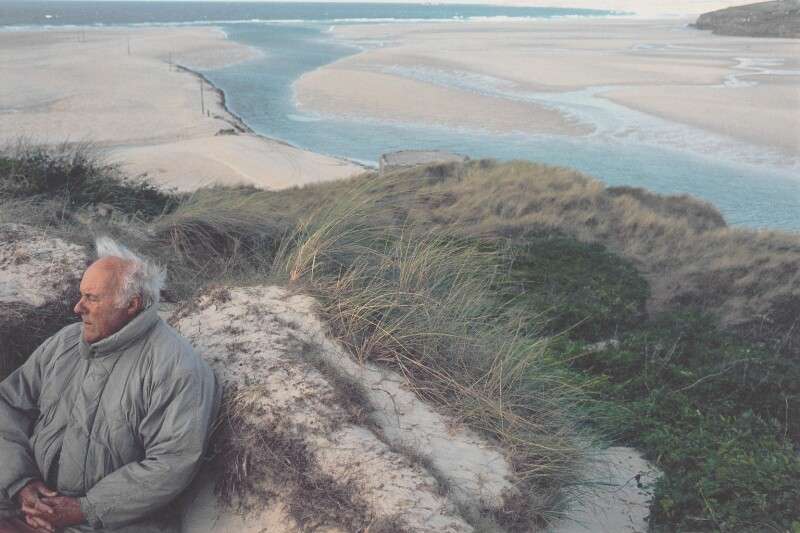
Jack Couch was a well-known ferryman operating in the Hayle area, particularly noted for his colorful personality. He was recognized for his role in transporting passengers across the river, often using a rowing boat. His presence was a significant part of local life, especially during the mid-20th century.
Operations
Ferry Service: Couch provided a vital service, ferrying people between Lelant and Hayle. He was known to operate a semaphore signal to guide ships safely into the river.
Local Reputation: He was remembered fondly by locals, especially children, who were both fascinated and warned about him due to his “colourful language.” His two dogs, Rusty and Skipper, were also a notable part of his life, often accompanying him.
Historical Significance
Jack Couch’s ferry service was part of a long tradition of crossings in the area, which included various methods such as fords and earlier ferries. His operations contributed to the community’s connectivity and were a reflection of the local culture and history surrounding the Hayle River.
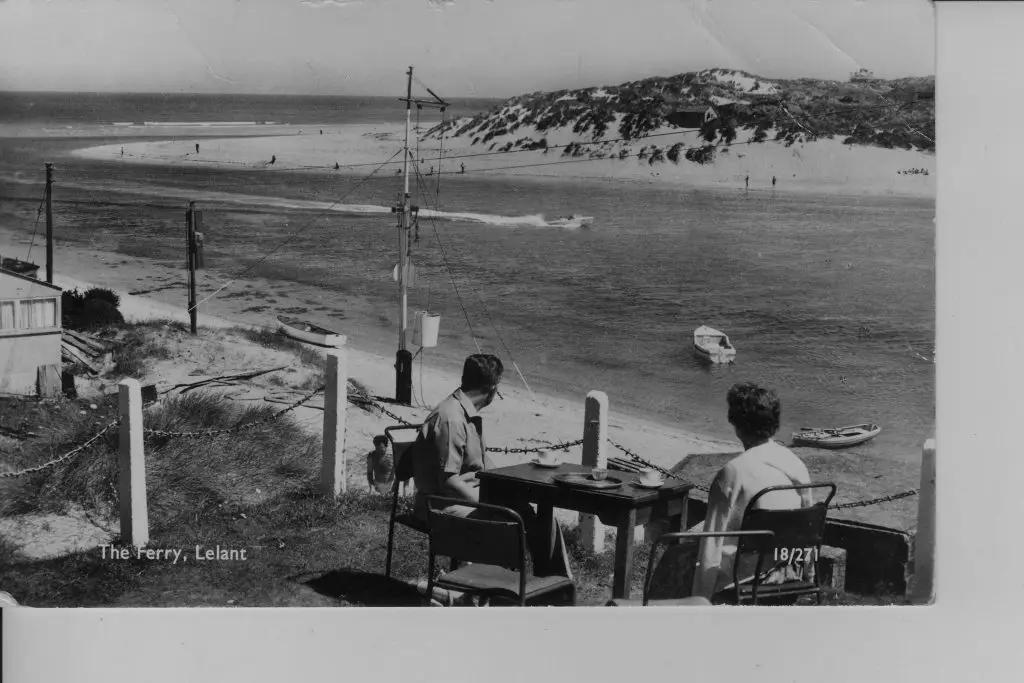
The location of the Lelant to Hayle Ferry became the Ferryman’s Restaurant/Cafe in the 1950s
Notable People Who Crossed the Hayle Estuary
While the Lelant to Hayle Ferry mainly served local residents, workers, and traders, its strategic position also made it a crossing point for a range of notable individuals, especially during periods of religious pilgrimage, industrial growth, and artistic exploration. Some of the most prominent people who are known or very likely to have used the ferry or crossed the Hayle Estuary include:
• John Wesley (1703–1791): The founder of Methodism, Wesley travelled extensively throughout Cornwall, including Hayle and Lelant. His diaries mention crossing Cornish estuaries by ferry, and it is highly likely he used the Lelant to Hayle Ferry during his ministry.
• Richard Trevithick (1771–1833): The renowned Cornish engineer and inventor, Trevithick worked in Hayle’s famedfoundries and would have crossed the estuary between Lelant and Hayle on many occasions for work and visits.
• Edward Baines (1774–1848): As a travel writer and topographer, Baines visited the Hayle area and wrote guidebooks that mention ferry crossings in the region.
• Pilgrims to St Michael’s Mount: During the medieval and early modern periods, the ferry was part of a route for manypilgrims—including minor nobility, clergy, and notable religious travelers—journeying to the sacred site of St Michael’s Mount.
• Members of the St Aubyn family: As owners of St Michael’s Mount, the St Aubyns were prominent in west Cornwall and traversed the Hayle Estuary during their travels in the region.
• Artists and writers of the St Ives School (late 19th–20th centuries): Famous names such as Barbara Hepworth, Ben Nicholson, and Bernard Leach visited Hayle and Lelant, sometimes sketching or exploring near the estuary; while direct records of their crossings are rare, they are known to have explored the area.
Modern Reflections and Conservation
Today, the Hayle Estuary is recognized as an ecological treasure, with significant birdlife and saltmarsh habitats protected by conservation orders. Walkers and birdwatchers retrace the paths once taken by ferrymen and passengers, while local guides recount the history of the ferry to visitors. Occasionally, special heritage events or re-enactments recall the days when the ferry was a vital artery of community life.